
Have you recently been tasked with home schooling your Kindergartener or First Grader? Perhaps you’re feeling frustrated and not sure where to start. I’ve put together some helpful tips, resources and activities that will help you during these times of temporary home schooling.

Setting Up Your Classroom
- Do your best to set up a designated home schooling area. A quiet place, void of distractions like television and other family members who aren’t part of your child’s education process. This also includes phones and other devices which aren’t being used for educational purposes.
- Set consistent schooling hours and try to stick with them every day. Having routines in place will help your child understand that learning at home is just as important as learning at school.
- Create a container with all learning supplies needed. For example, a cardboard box containing school supplies: paper, pencils, scissors, markers, crayons, glue, etc. Add manipulatives for math, such as beans, beads, toothpicks, dominoes, playing cards, dice, etc as well. It will also be helpful to have a timer that is visible to everyone. Set the timer each time you begin a lesson and let your child know that you’ll be working for the set amount of time and there will be a reward when they complete the lesson. Do this as needed for the specific needs of your child.
Home School Behavior Expectations
In the classroom, kids know the rules, expectations and procedures. At home, they have a different set of rules, expectations and procedures. Your new home schooling gig will not seem like school for them, at least not right away. Try to establish some basic school rules and expectations but don’t get discouraged if they’re not feeling the school vibe at the beginning – it will take some time but consistency will help. You can do it!
Working Together
Use a timer and offer fun stuff during the breaks (snacks, puzzles, tablet time, etc.). Give them options like “Today we need to work on school work for two hours. We can do it all at once with a couple of breaks and be done by noon OR we can take several breaks and be finished later in the afternoon.” Whatever they choose for the day is final and tomorrow they can choose again. When you let them be a part of the decisions, you’ll likely have less whining and hopefully smoother school days for everyone.
Teacher Toolkit
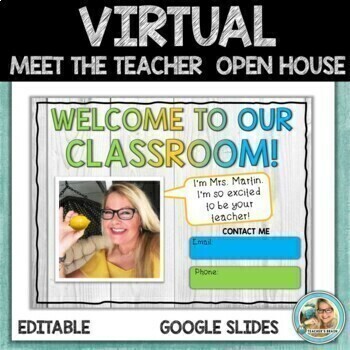
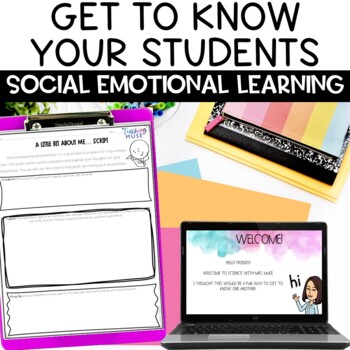
To help you with your home schooling journey, I got together with some of my favorite teacher authors to bring you some helpful teaching tools and resources with this teachers toolkit (includes a few freebies too)!
 |
 |
 |
 |
 |
 |
 |
 |
 |
 |
 |
 |
 |
 |
 |
 |
Here’s a fun resource for counting forwards and backwards.
Forward and Backward with the Math Hound and the Math Shepherd
Subscribe to my newsletter and get a FREE set of Graphing Activities.
Another great activity is BOOM Cards – digital task cards that are paperless, self-checking and interactive! They are great for both home schooling and at-school learning. Check out this post about one of my sets of BOOM Cards.
Don’t forget to ‘pin’ the image below to your Teaching Resources Pinterest board for future use.
Thank you for stopping by! I hope you have found something useful to take away from this post. Please drop me a message below, I’d love to hear your feedback.
~ Carrie
*This post may contain affiliate links. If you purchase through these links, I may receive a small commission for sharing these products with you. You do not pay more when using affiliate links.
Leave a Reply