
The word study portion of a guided reading lesson should be quick and easy – a jumpstart to your lesson. But sometimes this can feel rushed and only touches on the surface of what my students need the most. There are also instances where I want to spend more time on word study, and other times when I want to spend the entire lesson working on phonics because I know my students really need it. I often use a quick assessment to determine who needs a more focused session. I call it a Phonics Strategy Group and this is when I pull a group of students that need more help in one specific area such as the CVCE rule. While I could use sound boxes or flash/picture cards, I really want my young learners to be reading sentences and using comprehension skills while practicing phonics.
In today’s post we’re going to look at using phonics readers for guided reading.
In today’s post we’re going to look at using phonics readers for guided reading.
Getting Started with Guided Reading
I like to use Phonics PHONICS READERS. I found I could get my students reading, answering questions and learning new vocabulary while doing fun and engaging phonics lessons. Repeated familiar text gives students the confidence they need to want to keep reading. Pictures for the target sound makes the work easier to remember for a better chance for success later. What a great combination to make word study time a huge success!
Before you begin, you’ll want to know who needs your Phonics Strategy Group. See below a Pre-Test with real and nonsense words to assesses the needs of your students in the CVCE Phonics Rule also known as Magic “e”.
Students read from this page.

Teachers record onto this page and save for your records.

Use the Pre-Test to determine this or use your great teacher judgment. We know our kids best. Students will read from the student page while you are marking on the recording sheet. To save copies, place the student page in a plastic sleeve and use over and over. These pre-test and post-test make great records for RTI and Parent Conferences. You can use the post test to show growth or lack of growth. Once you have determined who needs the Strategy Group, use the Phonics Emergent Readers to practice learning the target sound.
Check out this Magic “e” Emergent Reader for Long I
Using the Emergent Phonics Readers, you will be able to build a solid phonics foundation while giving your students confidence and enthusiasm for reading.
Here’s how they work:

After students have read the page, they must answer a simple yes or no question about the pictures. They should also be able to justify their answer by telling why.
The picture support really helps if students are having trouble with the targeted phonics rule. The more practice they get, the less they will need the picture support.

If you copy the readers in black and white, students can write directly on the page. If you copy the readers in color, you can laminate them for multiple uses and have students write on them with dry erase markers.
Sometimes the questions are tricky, to ensure students are paying careful attention to the pictures. This is a great way to start conversations about why the answer is “no.” Students need to know their prepositions to answer correctly. Great for ELLs.
At the end of each EMERGENT READER is an activity page. Students can go back in the book to find how to spell each word if necessary.

Once the Emergent Reader has been practiced at least 3 to 4 times, you will want to give each student the Post-Test to see if they have made progress and hopefully mastered the Targeted Skill. Because the rule is the same for all of the vowels in the CVCE family, you should begin to see growth by the end of this Phonics Emergent Reader Series.
These Phonics Emergent Readers are so easy to put together. Simply copy the pages you need using two sided copies, then cut the pages in half and staple on the side. Bam! You have two books ready to use.

When I pull strategy groups using these Phonics Emergent Readers, my students have so much fun learning. They are always on task and highly engaged.
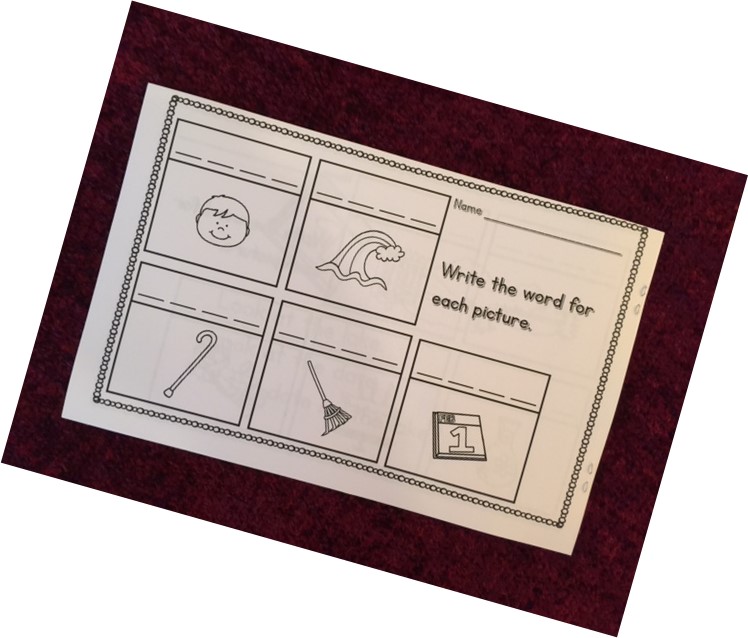
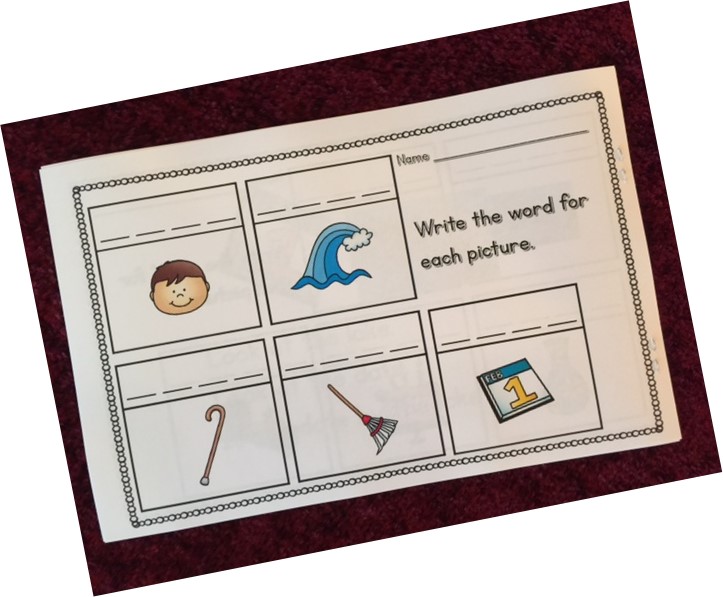
I run this strategy group just like a guided reading group. I have each student read their Emergent Reader to themselves and I listen to each child read. If they have been successful, I allow them to complete the activity page and then color the pages using markers. Mr. Sketch or other smelly markers give a great incentive and make learning fun! The book then goes into their folder to take home to read to an adult, and they feel confident and successful. I usually do a strategy group once a week while having regular guided reading groups the other 3 or 4 days.
Click to check out these other PHONICS READERS.


Each Emergent Reader has 8 pages including the activity pages. It takes approximately 20-minutes to complete the book and activity page. Students should read the book at least 3 times to have sufficient practice to master the skill covered in the readers.
Free! A fun companion product to Magic “e” Emergent Readers!

I hope you found this post helpful. Don’t forget to pin the image below to your Teaching Resources board on Pinterest for future use.

Thanks so much for stopping by!
~Carrie
Leave a Reply