
Are you struggling to find fun math and spelling activities that are also engaging? Look no further than Fun Crack the Code Activities for Math and Spelling! These engaging activities are a magical tool to help your students master important skills while having fun. Read on to explore the benefits of secret code worksheets, and how you can incorporate them into your classroom. From mastering tricky E and R words to adding and subtracting within 20, your students will feel like secret agents as they unlock the power of these codes. Get ready to unleash the magic of learning and watch your students become confident and motivated learners!
What Are Crack the Code Worksheets and Why Your Students Will Love Them
Students will use a code that is created by pictures. Each picture represents a letter or a number. The set of pictures creates a word or equation. Students will write the word and say it or create an equation then solve it. Such an easy teaching tool that brings fun into your students’ day!
See the example below.

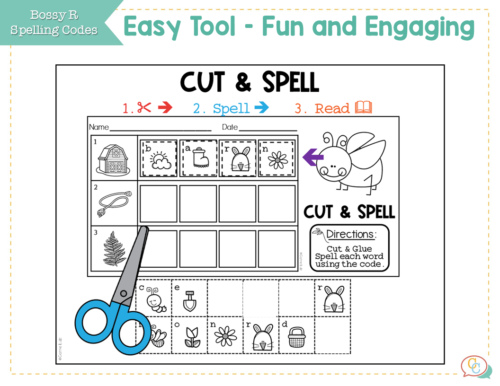
Whether you’re looking to introduce new concepts or review old ones, secret code worksheets are an unbeatable teaching tool. Students will love the challenge of cracking codes while also mastering core skills. It’s a win-win situation for both teachers and students alike!
Mastering Magic E Words with Crack the Code Activities for Spelling
 |
 |
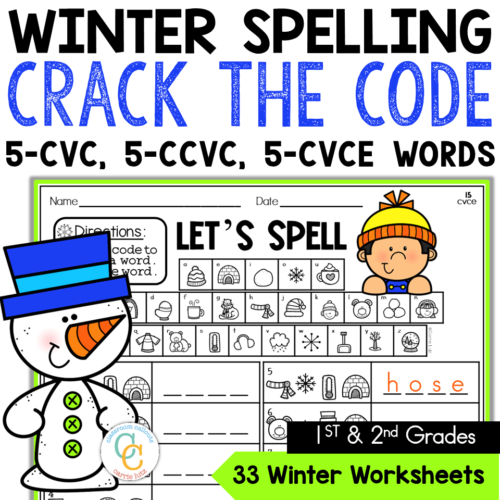
Mastering magic E words can be a challenging task for young students, as they need to understand how this silent letter transforms the pronunciation and meaning of words. However, with the help of secret code worksheets, students can have a fun and interactive way to learn and practice these crucial skills. The element of mystery and intrigue that these worksheets provide adds a layer of excitement to the classroom, keeping students engaged and eager to learn.
By deciphering the codes, students can gain a better understanding of how the letter E works in different positions and contexts, such as creating long vowel sounds or changing the tense of verbs.
Overall, secret code worksheets are an unbeatable teaching tool to introduce and reinforce essential concepts, as they cater to students’ diverse learning styles and offer a low-stress way to practice.
Use Crack the Code Resources for Spelling to Become a Bossy R Words Expert
In addition to practicing magic E words, students can also become a bossy R words expert with secret code worksheets. Bossy R words are those where the letter R changes the vowel sound that precedes it. By practicing with secret codes, students can reinforce their understanding of how to decode and spell these words correctly.
Becoming a bossy R words expert is an important foundational skill that prepares students for more advanced language concepts. It also helps them to become confident and fluent readers and writers. As we’ll see in the next section on adding and subtracting within 20, these skills build upon each other to create a strong academic foundation.
 |
 |
Adding and Subtracting Within 20 Made Easy
Math can be a challenging subject for many students but mastering basic addition and subtraction within 20 is a crucial first step towards success in more advanced math concepts. Luckily, secret code worksheets can make this process a lot easier and enjoyable. By using secret codes to create equations, students can improve their mental math skills while having fun.
Just like with spelling, mastering math concepts at an early age builds a strong foundation for future academic success. By enhancing their abilities to add and subtract within 20, students can progress onto more complex equations with ease. Integrating math into activities that are engaging can create a positive attitude towards the subject and motivate students to learn more.
As previously discussed, secret code worksheets can incorporate multiple subjects and create a well-rounded academic experience. The next section will delve into unleashing the power of these secret codes in spelling, further emphasizing the importance of this versatile teaching tool.
 |
How to Incorporate Crack the Code Worksheets in Your Classroom
Included in the fun activities, Bingo Dabber and Cut and Spell Worksheets!
 |
 |
 |
 |
One of the best ways to incorporate secret code worksheets into your classroom is by utilizing them during literacy centers. For example, you can create a station where students work on decoding a secret message while practicing their spelling or vocabulary words. This is a fun and interactive way for students to reinforce what they have learned while also developing their critical thinking skills.
Secret code worksheets can also be used as a fun homework assignment. Assign students a secret message to decode and have them bring it back to class the next day to share with the class. This type of activity encourages students to take ownership of their learning and provides a sense of accomplishment when they decode the message.
Incorporating secret code worksheets into your classroom activities is a fantastic way to enhance your students’ literacy education. By using these codes effectively, you can help your students develop critical thinking skills, reinforce what they have learned, and create a fun and engaging learning environment that will set them up for academic success.
Math & Literacy Codes Added in February
 |
 |
You might also like:

Save this post to read later:

Leave a Reply