
Welcome to our collection of 10 easy science fair experiments for kids!
These hands-on activities are perfect for sparking curiosity and making learning fun. Whether you’re a parent, teacher, or young scientist, these experiments—from erupting volcanoes to DIY lava lamps—are designed to be simple, engaging, and educational. With a little help from an adult, you can dive into the world of science and discover how exciting it can be.

1. Erupting Volcano Experiment

2. Floating Egg Experiment
Introduction: Dive into the fascinating world of density with the Floating Egg Experiment! This simple yet intriguing project is perfect for first and second graders to explore how different solutions affect whether an object sinks or floats. This experiment will need a bit of adult help, so make sure you have a grown-up to assist you!
Objective: To understand how the addition of salt to water changes its density and affects the buoyancy of an egg.
Materials:
- 1 raw egg
- Tap water (about 500 ml)
- Table salt (about 60 grams)
- 1 large clear glass or jar
- Measuring spoons
- Stirring spoon
Hypothesis: Before you begin, think about whether you believe the egg will float in plain water and what might happen when you add salt to the water. Write down your guess.
Procedure:
- Prepare Your Setup:
- Fill the glass or jar with 500 ml of tap water.
- Observation Test:
- Gently place the raw egg into the glass of plain water and observe what happens. Does it sink or float?
- Add Salt:
- Remove the egg carefully.
- Add 60 grams of salt to the water. Stir well until the salt is completely dissolved.
- Test with Saltwater:
- Once the salt is dissolved, gently place the egg back into the saltwater solution. Observe what happens this time.
Observation: Note down what you see. How does the egg behave in plain water compared to the saltwater?
Results: Record your findings. Did the egg float in the saltwater? Was there a difference in how it behaved in the plain water compared to the saltwater?
Conclusion: Explain why the results occurred based on density. In plain water, the egg sinks because its density is higher than that of plain water. When you add salt to the water, it increases the water’s density, making it denser than the egg, which now floats.
Further Experimentation:
You can experiment further by changing the amount of salt added to the water or trying different liquids like sugar water. See how these changes affect the egg’s buoyancy.
This experiment not only teaches you about the principles of density and buoyancy but also shows you how different solutions can change the behavior of objects in water. Have fun experimenting, and remember to ask questions and think about why things happen the way they do!

3. Rainbow Milk Experiment
Introduction: Get ready to create a swirling rainbow with the Rainbow Milk Experiment! This visually stunning project is ideal for young scientists in the first or second grade to explore the effects of soap on milk and food coloring. You’ll need some help from an adult, so be sure to have one nearby!
Objective: To observe how dish soap interacts with the fat in milk, causing movement in the food coloring that creates a rainbow effect.
Materials:
- A shallow dish or plate
- Whole milk (enough to cover the bottom of the dish)
- Food coloring (various colors)
- Dish soap
- Cotton swabs
- A dropper or small spoon
Hypothesis: Think about what you expect to happen when you add dish soap to the milk with food coloring. Do you think the colors will move, mix, or stay still? Write down your guess.
Procedure:
- Prepare Your Dish:
- Pour enough whole milk into the dish to just cover the bottom.
- Add Colors:
- Carefully add drops of different food coloring to the milk. Place them around the dish but not too close to each other.
- Adding Soap:
- Dip a cotton swab into dish soap, ensuring it’s not dripping but wet with soap.
- Gently touch the soaped swab to the surface of the milk in the center of the dish or near one of the food coloring drops.
Observation: Watch what happens when the soapy cotton swab touches the milk. Look for any movement of the food coloring and how it interacts with the milk.
Results: Record what you see. Describe the movement and mixing of the colors. How did the dish soap affect the behavior of the food coloring in the milk?
Conclusion: Explain the science behind what you saw. The soap breaks the surface tension of the milk and reacts with its fats, creating movement that pushes the food coloring around. This movement shows how substances like soap can change the physical properties of other liquids like milk.
Further Experimentation:
Try the experiment again using different types of milk (like skim or 2%) to see if the fat content affects the reaction. You can also use different detergents or soaps to see if they cause different patterns or movements in the milk.
This experiment is not only a beautiful display of colors but also a great lesson in chemistry and physics, showing how different substances interact in surprising and colorful ways. Enjoy creating your milk art, and don’t forget to clean up when you’re done!

4. Baking Soda and Vinegar Rocket
Introduction: Blast off into the world of chemical reactions with the Baking Soda and Vinegar Rocket Experiment! This exciting activity is perfect for first and second graders eager to see science in action. You’ll need some adult supervision, so make sure a grown-up is ready to help with the fun!
Objective: To demonstrate the reaction between baking soda and vinegar and observe how this reaction can propel a homemade rocket.
Materials:
- 1 small plastic film canister with a tight-fitting lid (or any small container with a pop-on lid that seals well)
- Baking soda (5 grams)
- Vinegar (30 ml)
- Tissue paper
- Measuring spoons
- Safety goggles (to protect your eyes)
- An open space for launching your rocket (like a backyard or park)
Hypothesis: Predict what will happen when baking soda and vinegar mix inside your rocket canister. Think about how it might affect the canister and what the reaction will be like. Write down your prediction.
Procedure:
- Prepare the Rocket:
- Go outside or to a well-ventilated area where you can safely launch the rocket.
- Set Up the Reaction:
- Wrap the 5 grams of baking soda tightly in a small piece of tissue paper. This packet will help delay the reaction, giving you time to close the lid.
- Pour 30 ml of vinegar into the film canister.
- Launch the Rocket:
- Quickly drop the baking soda packet into the canister with vinegar.
- Snap the lid on tightly and quickly place the canister on the ground, lid side down.
- Step back and watch what happens!
Observation: Observe the canister as the reaction happens. What do you see and hear? How high does the rocket go?
Results: Record the outcome of your experiment. Was the launch successful? How high did your rocket fly? Did it happen as you predicted?
Conclusion: Explain why the rocket moved. The reaction between baking soda (a base) and vinegar (an acid) produces carbon dioxide gas. This gas builds up pressure inside the canister until the lid pops off, pushing the rocket into the air. This is an example of Newton’s Third Law of Motion: for every action, there is an equal and opposite reaction.
Further Experimentation:
Experiment with different amounts of vinegar and baking soda to see if it affects how high your rocket goes. You can also try different sizes of containers to see how they change the reaction.
This experiment is not only a thrilling demonstration of a chemical reaction but also a fun way to learn about forces and motion. Make sure to conduct it in a safe environment and wear your safety goggles to protect your eyes. Enjoy your scientific journey into rocketry!

5. Magnetic Magic – Magnetic Poles and Fields Experiment
Introduction: Explore the invisible world of magnetism with this engaging experiment! Perfect for first and second graders, this activity will help you understand how magnets work, focusing on the poles and the magnetic fields they create. You’ll need some common items from home or school and the help of an adult to guide you through.
Objective: To explore and visualize the magnetic field lines around bar and horseshoe magnets and understand the interactions between the different poles of magnets.
Materials:
- 1 bar magnet (with North and South poles labeled)
- 1 horseshoe magnet (with North and South poles labeled)
- Iron filings
- A sheet of white paper
- A tray or cardboard to contain any mess
- A compass (optional, for further exploration)
Hypothesis: Before you start, think about what you might see when you sprinkle iron filings around the magnets. What do you think will happen when the North pole of one magnet is near the South pole of another? Write down your guess.
Procedure:
- Setup:
- Place the sheet of white paper on the tray or cardboard to keep your workspace clean.
- Place the Magnets:
- Lay the bar magnet and the horseshoe magnet on the paper. Start with them a good distance apart so their fields don’t overlap immediately.
- Sprinkle Iron Filings:
- Gently sprinkle iron filings around and between the magnets. Be careful not to bump the table as the filings align themselves along the magnetic field lines.
- Observe the Magnetic Fields:
- Look at how the iron filings arrange themselves around each magnet. Notice the patterns they form. These lines show the magnetic fields emanating from the poles.
- Explore Interactions:
- Slowly move the North pole of one magnet towards the South pole of the other. Observe how the iron filings react. Do the same with like poles (North to North or South to South) and note any differences.
Observation: Record what happens to the iron filings as you move the magnets. How do the patterns change? What does this tell you about how the magnetic poles interact?
Results: Describe the arrangement of iron filings and what it indicates about the magnetic fields. Note any changes when different poles are near each other.
Conclusion: Explain your observations in terms of magnetic poles and fields. Magnets attract when opposite poles are near each other and repel when like poles are close. The iron filings align themselves along the lines of magnetic force, visibly showing the shape of the magnetic fields.
Further Experimentation:
Try using a compass to see how the needle aligns with the magnetic fields. You can also test different materials to see if they are influenced by the magnets, like clips, aluminum foil, or copper wire.
This experiment not only teaches you about magnetism but also lets you see the invisible forces at play. Have fun exploring and always make sure to clean up your space when you are done!

6. DIY Lava Lamp Experiment

7. Dancing Raisins Experiment

8. Color-Changing Carnations
Introduction: Discover how flowers drink water with the Color-Changing Carnations Experiment! This visually stunning activity is perfect for first and second graders to learn about plant biology and capillary action in a fun and colorful way. It’s a simple experiment that requires some adult supervision.
Objective: To demonstrate how plants absorb water and nutrients up through their stems, using carnations and colored water.
Materials:
- White carnations (several, depending on how many colors you want to test)
- Clear glasses or vases (one for each color)
- Water
- Food coloring in various colors
- Scissors (to be used by an adult)
Hypothesis: Predict what will happen when the carnations are placed in colored water. Which colors do you think will show up best in the petals?
Procedure:
- Prepare the Carnations:
- Have an adult trim the stems of the carnations at an angle to allow them to absorb water more efficiently.
- Set Up the Experiment:
- Fill each glass or vase with water and add about 20 drops of food coloring to each, choosing different colors for each container.
- Stir the water to evenly distribute the color.
- Observation:
- Place one carnation in each colored water vase.
- Observe the carnations daily to see how the color travels up the stem and changes the color of the petals.
Results: Record your observations over several days. Note the changes in the color of the petals and how quickly each color appears.
Conclusion: Explain how capillary action works in plants, drawing water and nutrients up through tiny tubes in the stem. The food coloring shows this process visually, changing the color of the carnations’ petals.
Further Experimentation:
Try using different liquids like sports drinks or diluted inks to see if they affect the flowers differently. Experiment with other white flowers to see if they absorb colors faster or slower than the carnations.

9. Invisible Ink
Introduction: Send secret messages with the Invisible Ink Experiment! This project is a fantastic way for first and second graders to learn about chemical reactions and the properties of acids and bases, with just a bit of adult supervision for safety.
Objective: To use a natural acid (lemon juice) to write invisible messages that appear only when heated.
Materials:
- Lemon
- Water
- Spoon or brush
- White paper
- Heat source (light bulb or hair dryer; an adult should handle this part)
Hypothesis: Guess what will happen when you heat the paper that has lemon juice on it. How do you think the message will appear?
Procedure:
- Write the Message:
- Squeeze lemon juice into a bowl and add a few drops of water.
- Dip the spoon or brush into the lemon juice mixture and write a message on the white paper.
- Allow the paper to dry completely, making the message invisible.
- Reveal the Message:
- Have an adult help you heat the paper using a light bulb or hair dryer. Watch as the message slowly appears.
Results: Record what happens when the paper is heated and how clearly the message shows up.
Conclusion: Explain why the lemon juice message appears when heated (lemon juice, being acidic, weakens the paper fibers slightly and caramelizes when heated, making it visible).
Further Experimentation:
Experiment with other natural acids like orange juice or vinegar. Try different heating methods or papers to see which reveals the message most effectively.

10. Homemade Slime Experiment
That’s a Wrap!
Science is all about curiosity, discovery, and having fun while learning how the world works. Through these 10 experiments, young scientists have not only created colorful reactions and gooey slime but also gained a deeper understanding of important scientific principles. Whether it was watching a volcano erupt, making an egg float, or exploring the magnetic fields, each experiment has shown that science is everywhere—even in the simplest things around us. As you continue to explore and experiment, remember that the journey of discovery is just beginning. Keep asking questions, keep experimenting, and most importantly, keep having fun with science! Click here to download the PDF with all 10 Experiments.
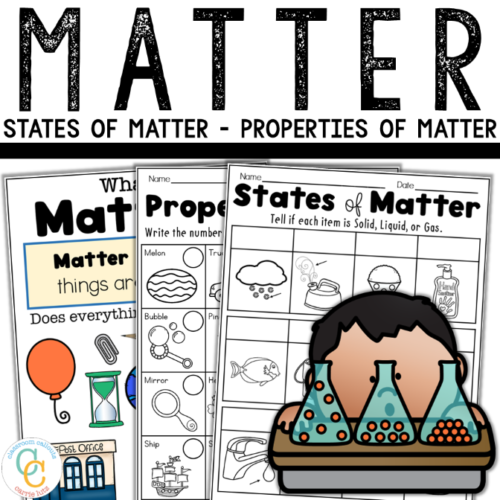
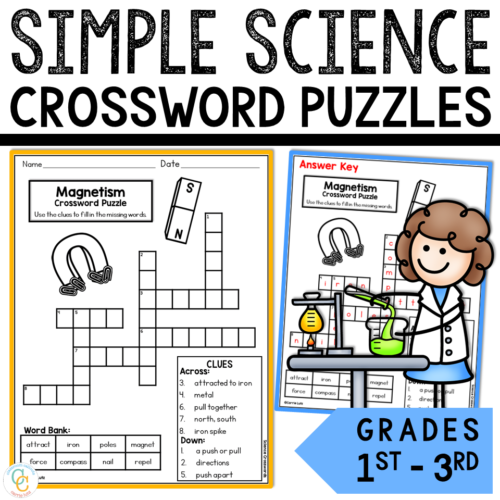
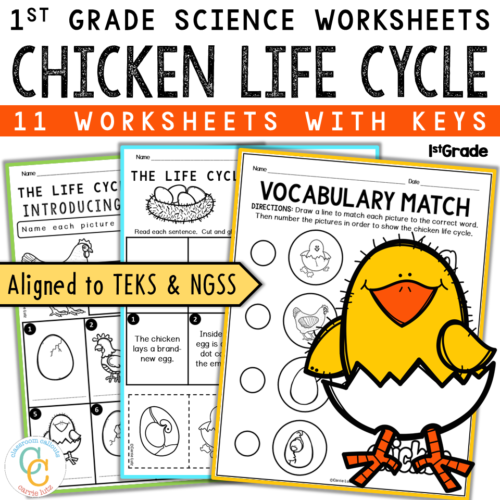
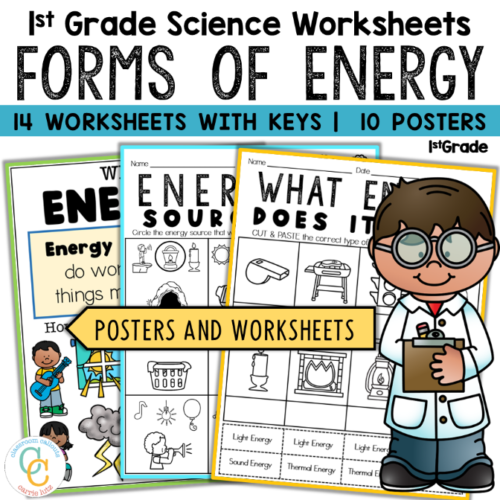
Science Printables for your First Graders
 |
 |
 |
 |
 |
 |
Don’t forget to pin the image below to save this post!
Need help Breaking Down the 1st Grade Math Standards?

Leave a Reply